
Why Fall Fishing on Lake of the Woods
Why Fish Become More Aggressive as Fall Water Temperatures Cool
As fall approaches Lake of the Woods, fishing conditions begin to change dramatically. One of the biggest advantages for anglers is that fish become significantly more aggressive as water temperatures drop.
This natural behavior shift creates some of the best fishing opportunities of the entire year.
The Science Behind Fall Feeding
As water cools, fish metabolism increases efficiency and oxygen levels stabilize. This encourages fish to feed more actively in preparation for winter.
The Result:
- More frequent feeding windows
- Increased willingness to chase bait
- Larger fish moving into shallow areas
- Better reaction bites
Where Do Fish Move when Fall Temperatures Drop
In September and early October, fish are often located in:
- Wind-blown reefs
- Shoreline drop-offs
- Transitional depth zones
- Areas with active baitfish schools
Best Fall Fishing Techniques
To take advantage of aggressive feeding behavior, anglers often use:
- Faster trolling
- Reaction-style jigging presentations
- Covering more water to locate active schools
Why Fall Fishing is So Consistent
Unlike summer, where fish can spread out widely, fall brings fish into more predictable feeding zones. This makes it easier to locate active fish and maintain steady action.
Experience the Fall Bite at Wigwam Resort
Wigwam Resort offers direct access to prime fall fishing on Lake of the Woods, helping anglers take full advantage of this short but highly productive season.



FAQs
What fish can you catch on Lake of the Woods in the fall?
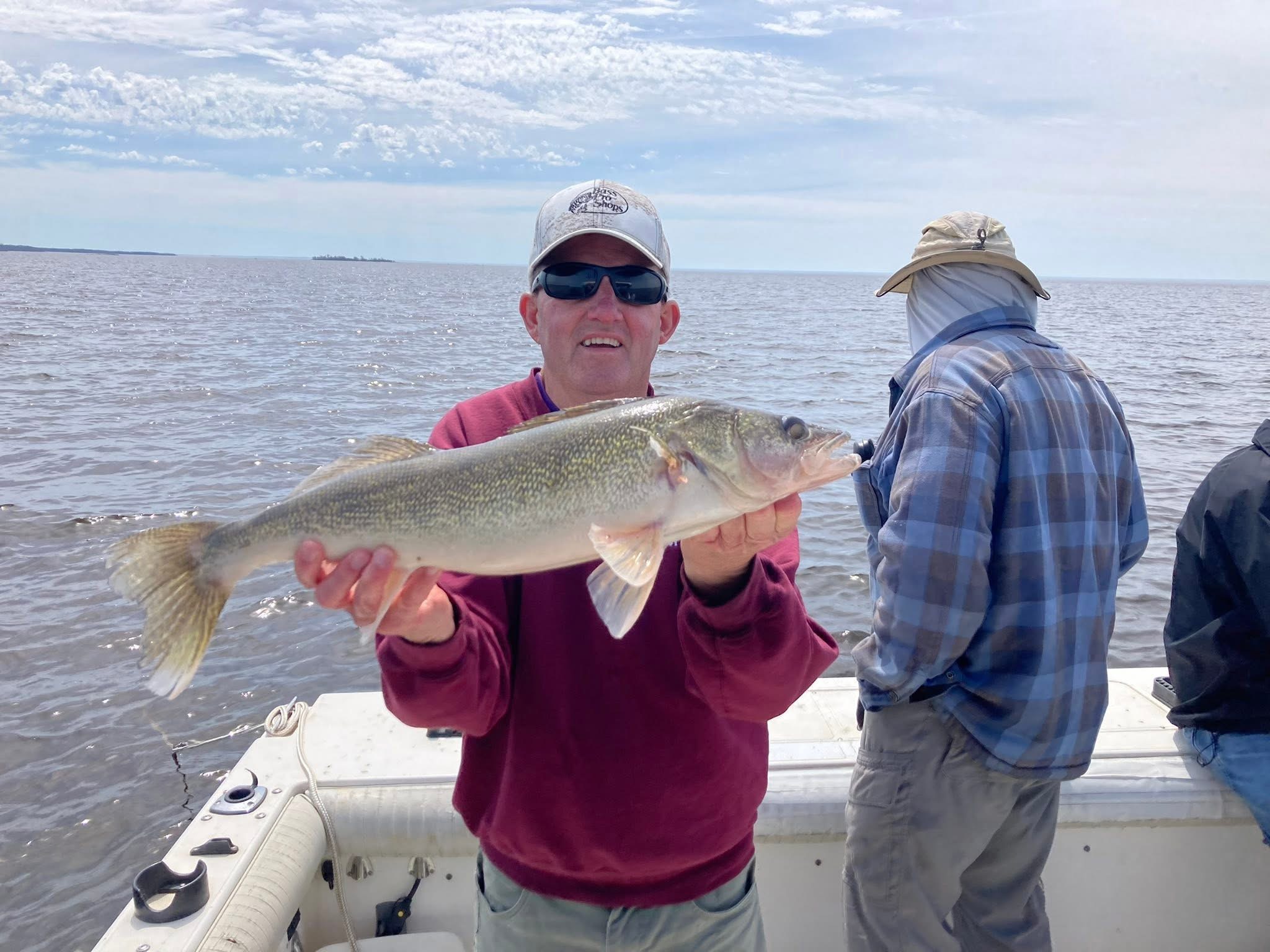
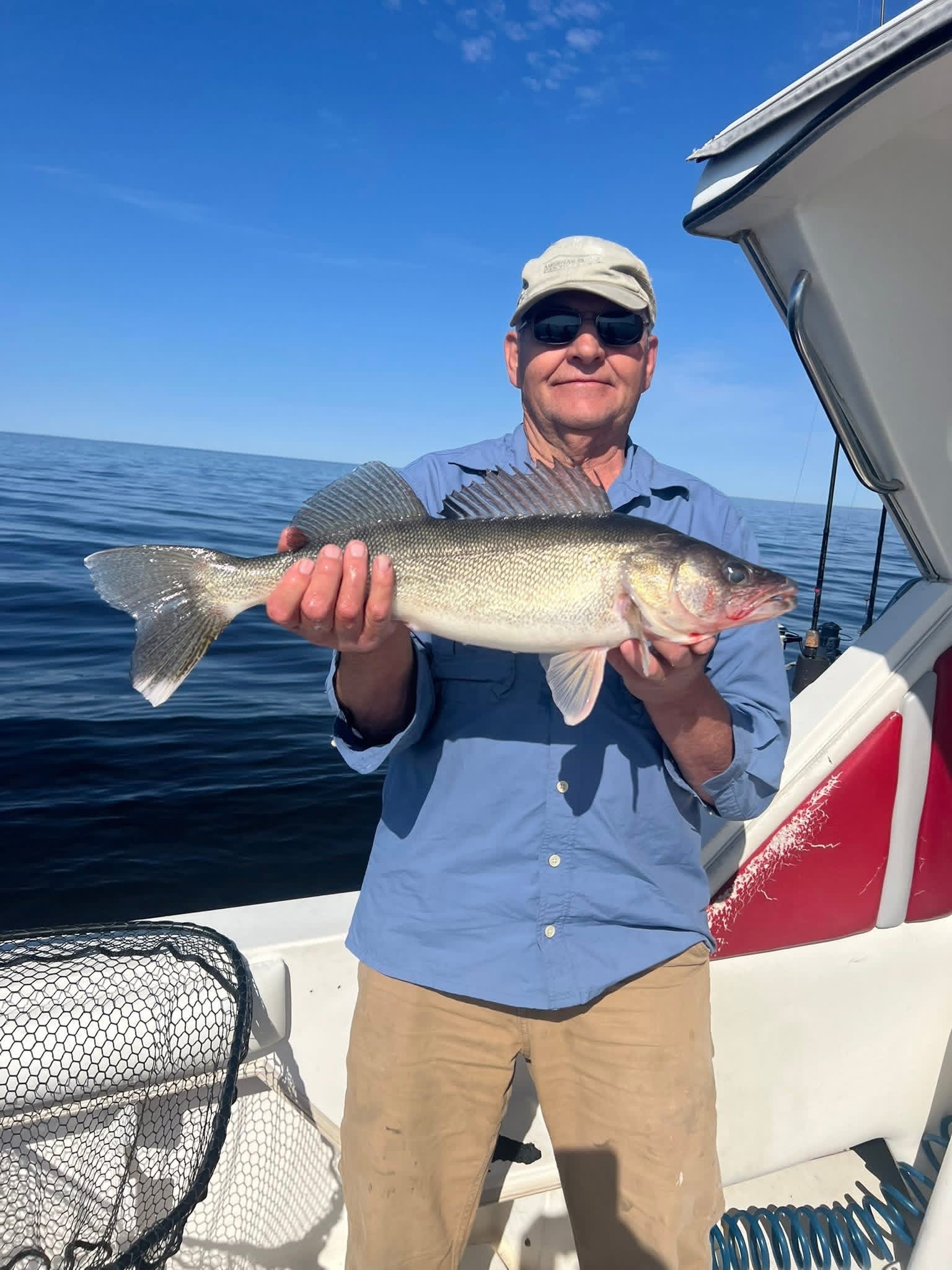
Fall is an excellent time to fish Lake of the Woods, with anglers targeting walleye, sauger, pike and jumbo perch. as water temperatures cool, fish become more active and often feed more heavily as they prepare for winter.
Where should I fish on Lake of the Woods in the Fall?
In the fall, fish can be found around points, rocky areas, reefs and areas where baitfish are concentrated. Walleye and Sauger often move as water temperatures change, so staying mobile and using electronics to locate fish and bait can make a big difference.
What IS THE BEST TIME OF DAY for fall fishing on lake of the woods
Fall fishing can be productive throughout the day, but early morning, evening and low-light periods can be especially good for walleye. Overcast days can also provide excellent conditions, allowing anglers to find active fish in shallower water.